Have an insurance claim for hail damage to your patio or carport? We can help!

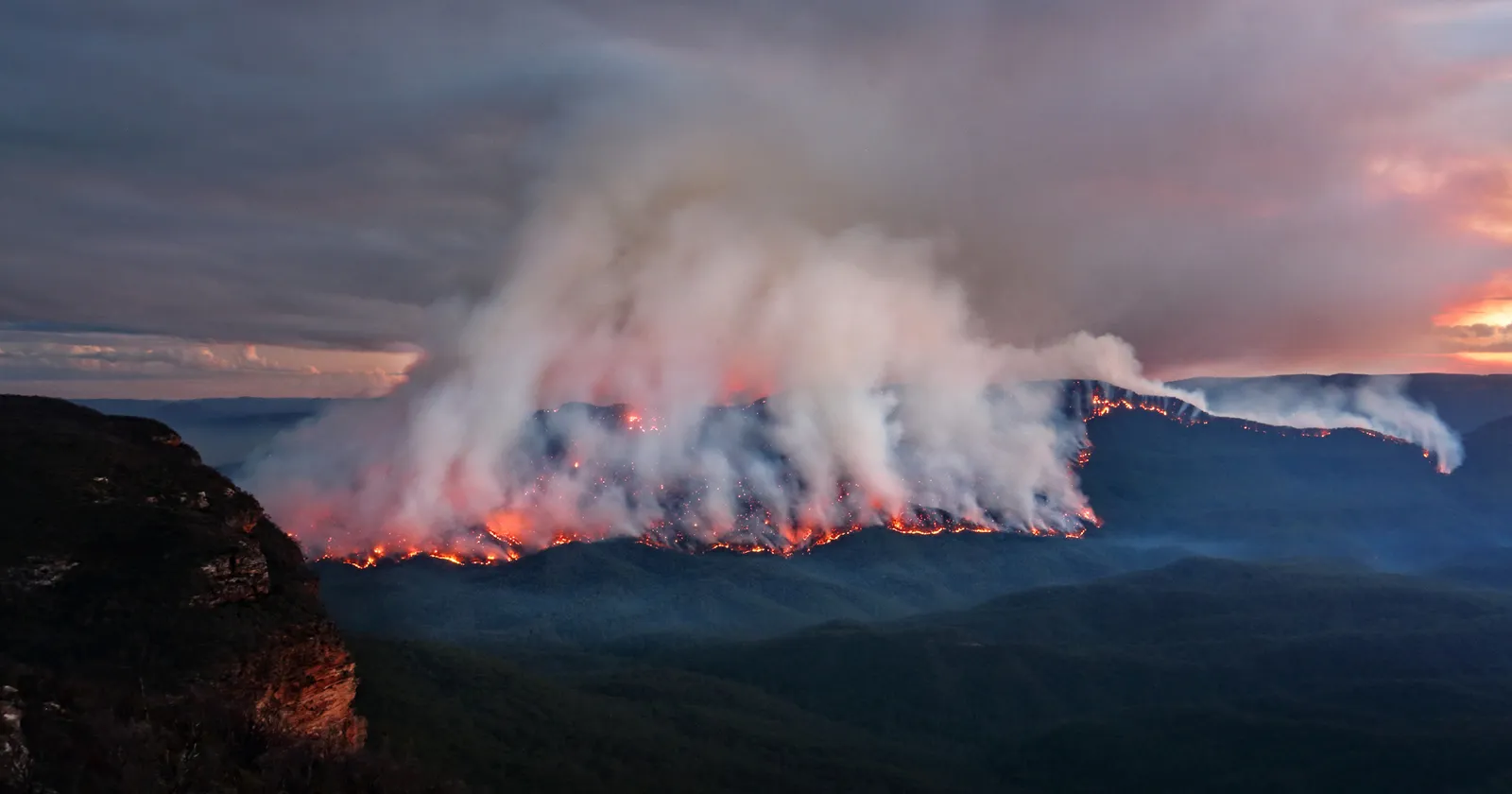
BAL40 Compliance
Built for Bushfire Country. Tested to Prove It.
Why Independent Testing Is the Gold Standard
At Apollo Patios, we believe that if you’re building in a BAL40 zone, you and your family deserve more than theoretical confidence. Our test was conducted by an independent, NATA-accredited laboratory in Canberra. The results are documented, verifiable, and available on request.
Testing to AS 1530.8.1 is the sole method to certify that a building material is adherent to the NCC, and it must be carried out by a NATA-accredited testing authority.
Obtaining this level of testing is not standard practice in the industry. It requires significant investment in time and resources, including constructing the test specimen, transporting it, and paying for accredited third-party testing.
Travelled Over 1100km
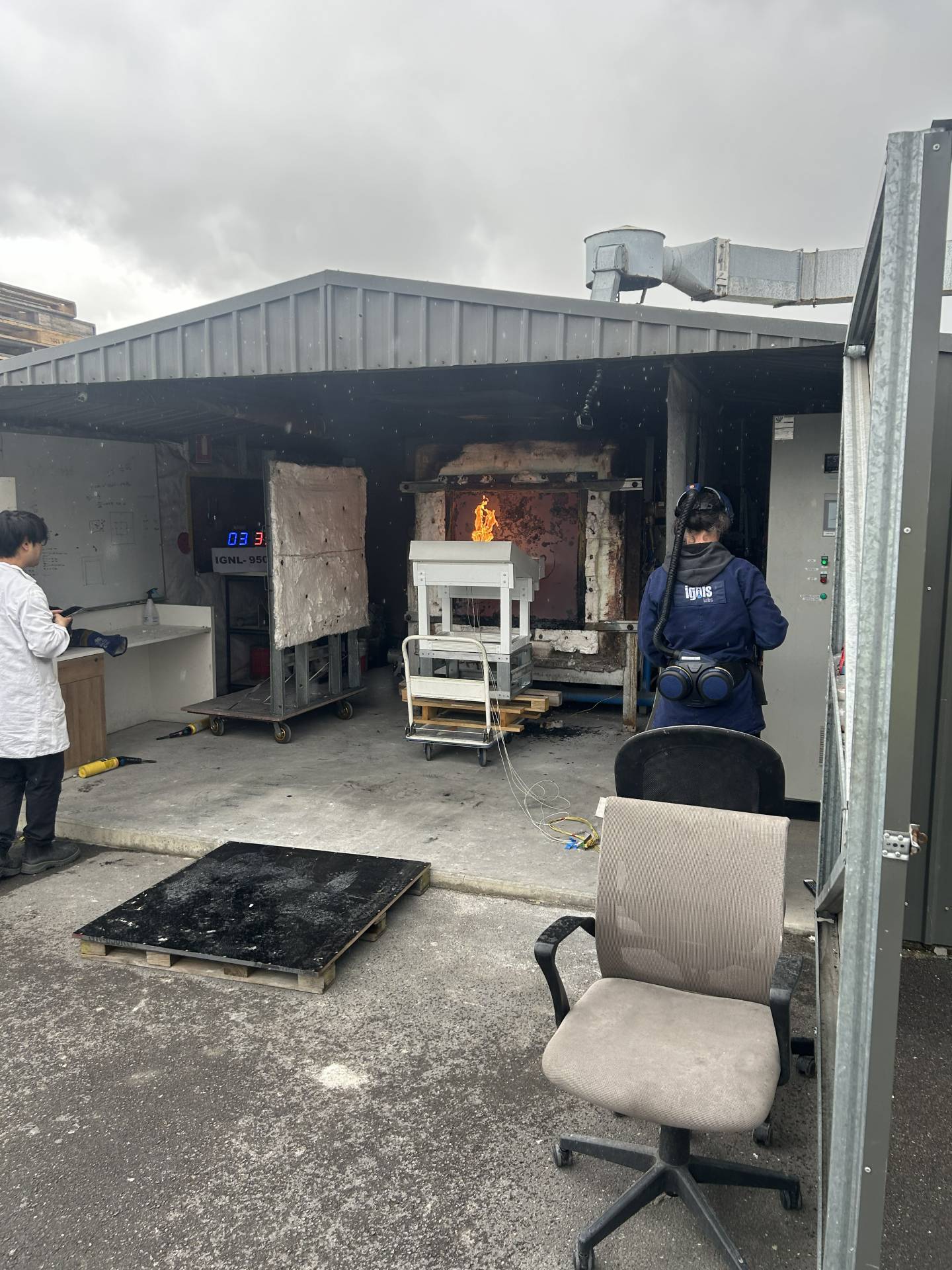
We Built a Mini Patio and Took It to Canberra
Rather than test individual panel components in isolation, Apollo Patios constructed a mini patio using our insulated panels, built the same way they would be installed on your property, and transported it to a NATA-accredited testing facility in Canberra.
Our insulated panels feature EPS foam with Unicote steel skins, and are available in thicknesses from 50mm to 200mm. The test specimen was constructed and assessed as a complete, installed system.
During testing, specimens are subjected to an irradiance profile simulating exposure to radiant heat from a rapidly approaching bushfire front, with additional exposure to direct flame impingement from small secondary fires simulating burning debris.
This matters because joints, fixings, junctions, and connection details all affect real-world performance. A panel that passes a material-level test in a lab may still allow ember intrusion, heat transfer, or structural failure through the gaps and edges of an assembled system. Apollo Patios wanted to know definitively how our panels perform when they’re built the way our customers build them.
The result: our insulated panel system passed AS 1530.8.1 testing at BAL40.
Here's what that means, and why it matters to you.
If you’re building or renovating in a bushfire-prone area, you’ve probably heard the term BAL40. It’s a designation that changes what you can build, what materials you can use, and how your structure needs to perform. At Apollo Patios we don’t just tick the compliance boxes, we independently tested a fully constructed mini patio at Ignis Labs, NATA-accredited facility in Canberra to prove our panels perform exactly as promised in a real-world scenario.
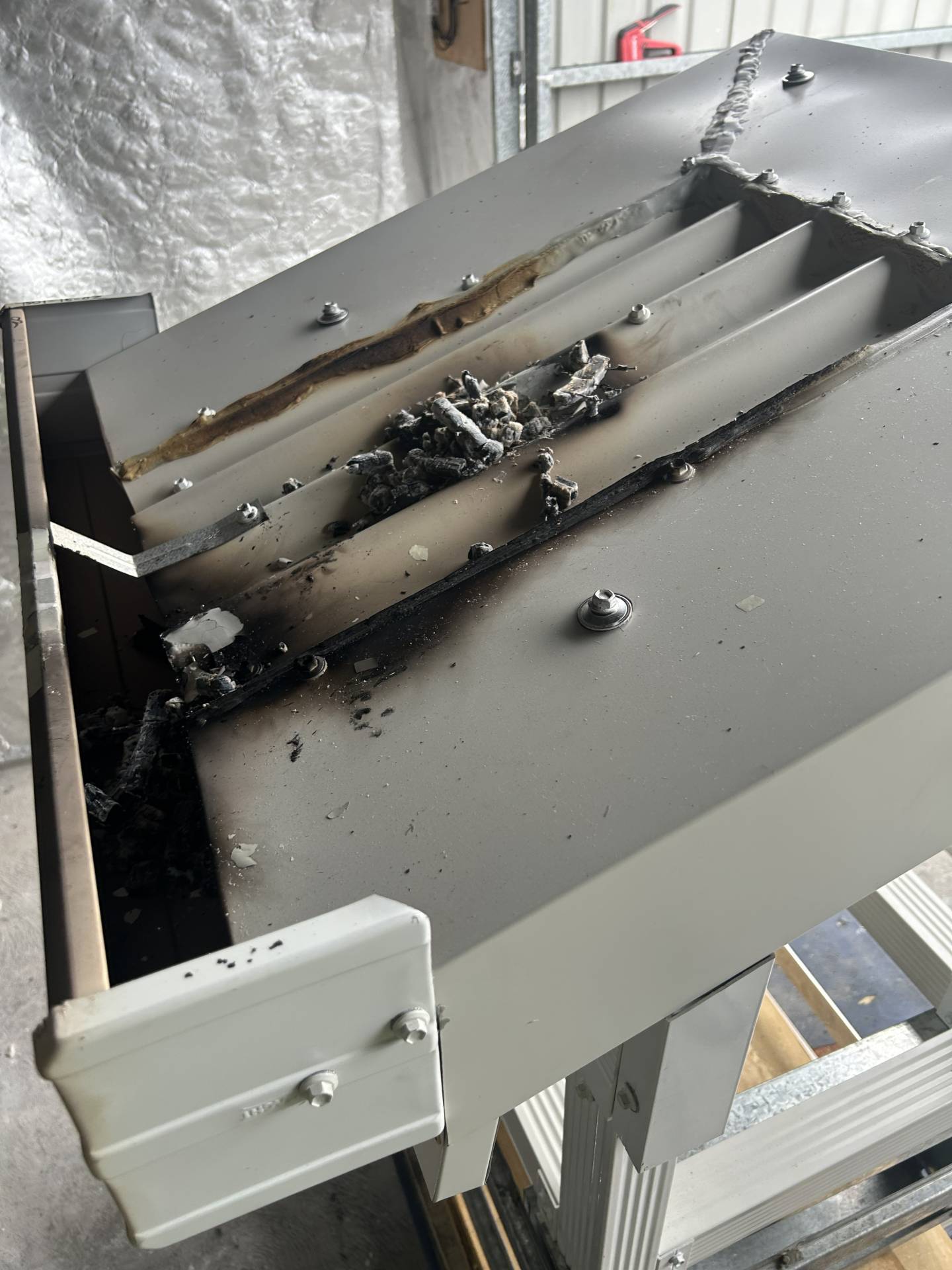
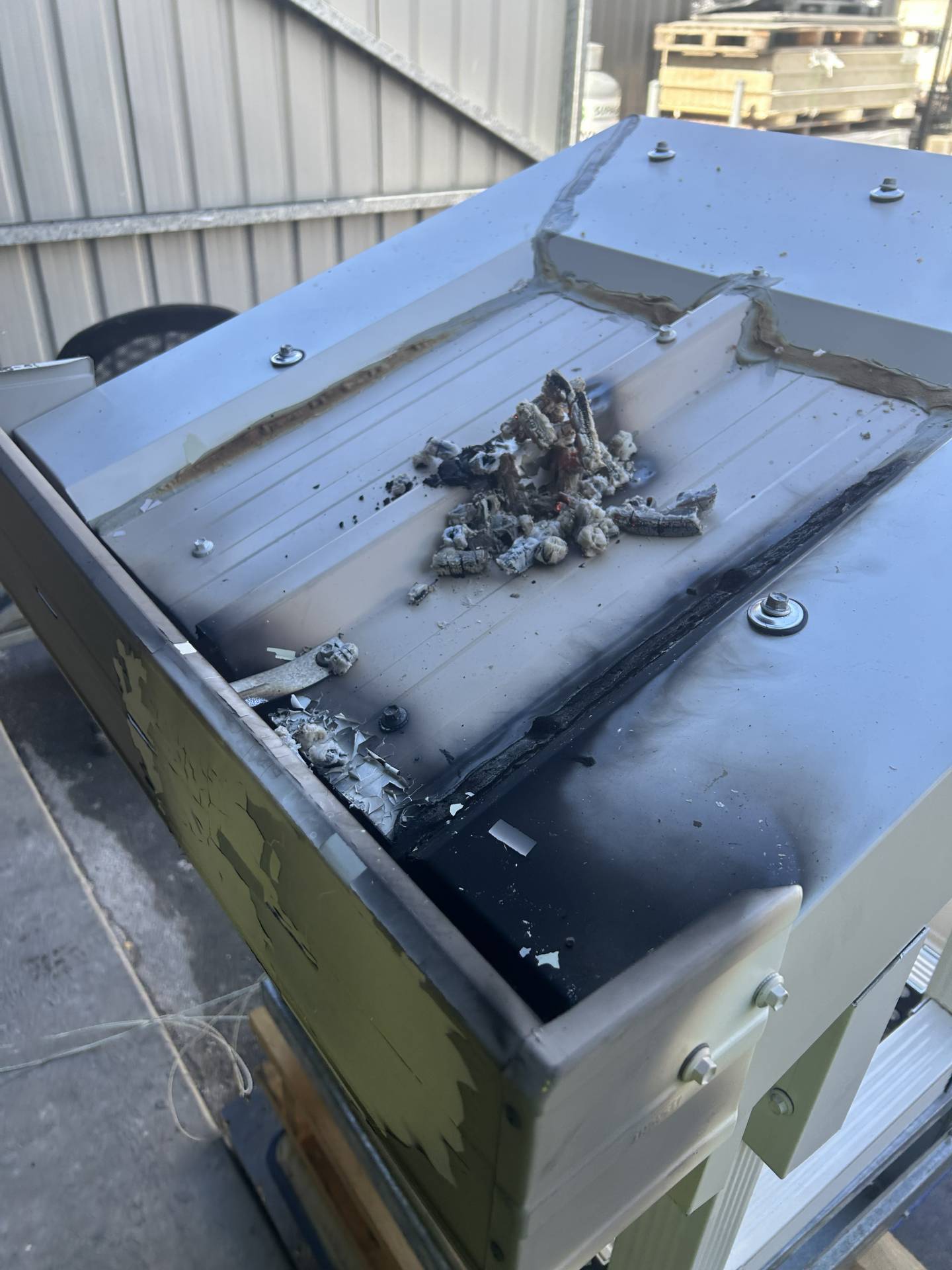
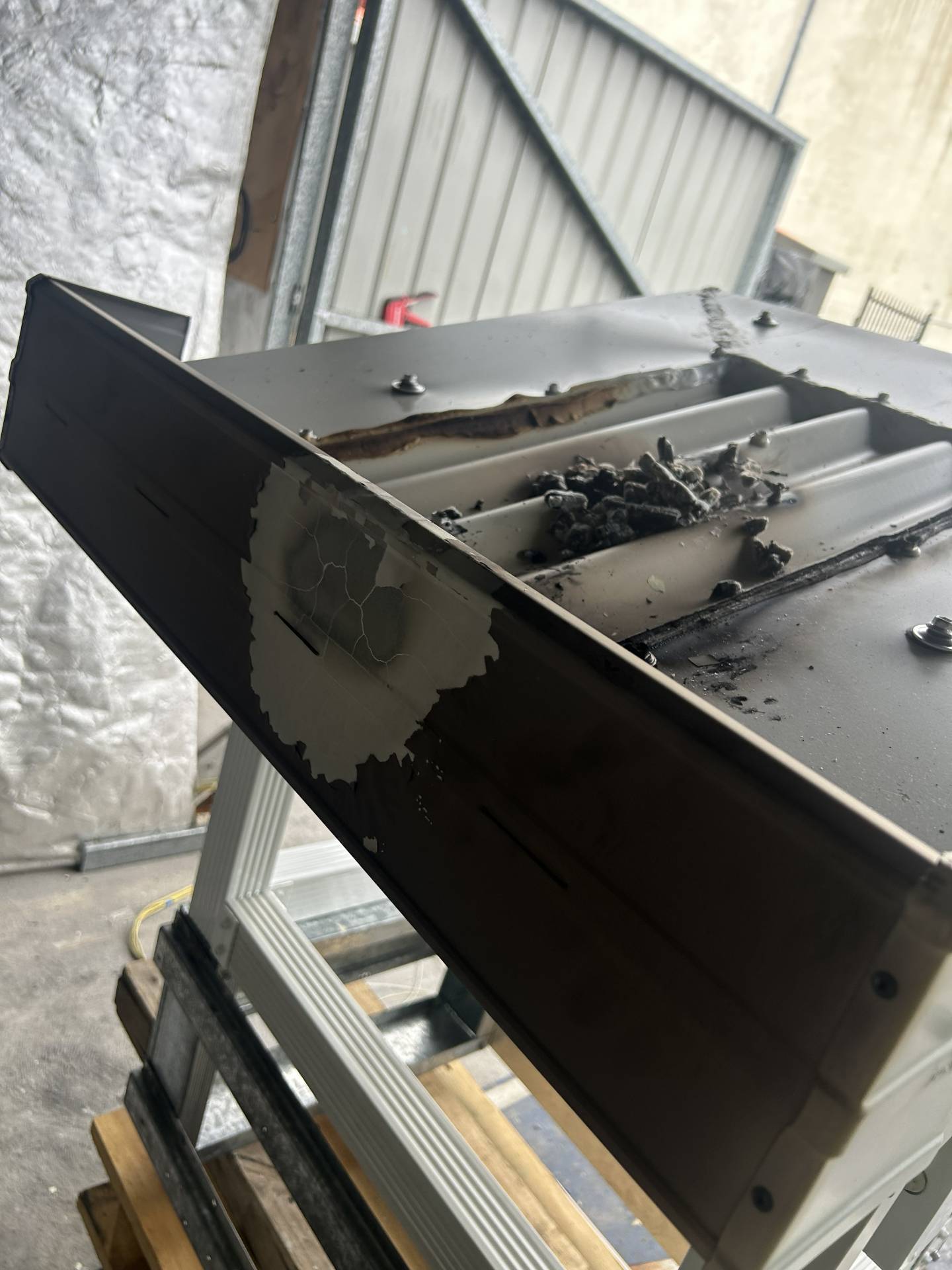
We did it differently
How Compliance Is Usually Demonstrated
Most manufacturers work from theoretical compliance. That means they assess their individual materials against the prescriptive requirements of AS 3959:2018 and conclude that their product should comply, based on the properties of the materials used.
This is common practice, and is a legitimate pathway in the National Construction Code. But it also has limits, because a material that performs well in isolation doesn’t always behave the same way as part of a fully assembled, installed system.
There is a more rigorous alternative. Where any material, element of construction, or system satisfies the test criteria of AS 1530.8.1 for BAL12.5, BAL19, BAL29, and BAL40, it satisfies the requirements of that BAL. AS 1530.8.1 provides the methods for determining the performance of external construction elements when exposed to radiant heat, burning embers and debris. The test simulates the radiant heat from a bushfire front and uses small flaming sources to mimic typical amounts of accumulated burning organic debris. Specimens are assessed for performance against one of the prescribed levels of exposure, being BAL12.5, BAL19, BAL29, or BAL40.
Apollo Patios chose the rigorous testing for our insulated panels.
Explainer
What is BAL40?
Australia uses a national rating system called the Bushfire Attack Level (BAL) to measure the risk a building faces from bushfire. A BAL assessment determines the level of bushfire risk to a building site based on the amount of radiant heat the structure may be exposed to in a bushfire, measured in kilowatts per square metre (kW/m²).
The current version of the standard, AS 3959:2018, governs the construction of buildings in bushfire-prone areas. When building to a BAL rating, all buildings must meet the general construction requirements of Section 3 of AS 3959:2018, with the BAL assessment determining which additional requirements apply.
There are six BAL levels. BAL40 is the second most severe: BAL40 carries a very high risk rating, with a strong possibility of ember attack and direct exposure to flames, and a heat flux of up to 40 kW/m².
In plain terms: at BAL40, a building must be able to withstand embers landing on and around it, radiant heat intense enough to ignite surrounding materials, and direct flame contact from smaller secondary fires.
It’s important to note that a building constructed in accordance with AS 3959 is not a guarantee it will not be impacted or destroyed by a bushfire, substantially due to the degree of vegetation management, the unpredictable nature and behaviour of fire, and extreme weather conditions. What BAL compliance does is significantly reduce the risk of ignition while the fire front passes.
What BAL40 Actually Requires
Your BAL rating isn’t something you choose. A qualified assessor determines your rating based on factors outside your control: the type and density of vegetation surrounding your property, how close that vegetation is to your home, the slope of the land, and your geographic location. The rating reflects the level of bushfire attack your home could realistically face, and once it’s assigned, your build must meet the construction requirements for that level.
BAL LOW
Insufficient risk to warrant construction requirements. No special building provisions apply.
BAL12.5
Low risk. Ember attack is possible. Heat flux up to 12.5 kW/m². Basic ember protection measures are required.
BAL19
Moderate risk. Increased ember attack with a chance of burning debris and localised flame contact. Heat flux up to 19 kW/m².
BAL29
High risk. Significant ember attack and burning debris, with the possibility of direct flame contact. Heat flux up to 29 kW/m². More stringent construction requirements apply.
BAL40
Very high risk. Strong likelihood of ember attack, burning debris, and direct flame contact from surrounding vegetation. Heat flux up to 40 kW/m². Construction standards are substantially more demanding.
BAL FZ (Flame Zone)
Extreme risk. Direct exposure to flames from the fire front, in addition to heavy ember attack and burning debris. This is the most severe rating, with heat flux exceeding 40 kW/m².
What This Means for Your Build
If you’re a homeowner in a bushfire-prone area, independent test evidence means you can hand your certifier documentation that demonstrates real-world system performance, not just material data sheets.
If you’re a builder or tradie, it means you can specify Apollo Patios panels with confidence, knowing the product you’re installing has been assessed as a complete system under conditions that simulate a real BAL40 fire event.