The best results come from choosing a patio design that matches the way the space will be used, works with the property’s layout and suits Brisbane’s climate. Whether the goal is creating a place for weekend barbecues, relaxing with family or enjoying more time outdoors, the right design should feel like a natural extension of the home rather than an afterthought. For homeowners looking for a patio designer Brisbane residents rely on, understanding these practical considerations is a valuable place to begin.
No two Brisbane properties are exactly alike, which is why the same patio design rarely suits every home. A narrow backyard, an existing roofline, the direction of the afternoon sun and the available outdoor space can all influence which design is the better choice. Looking at these factors before deciding on roof styles, materials and layout often leads to a patio that not only complements the home but also remains comfortable and practical throughout the year.
Why Patio Design Should Match the Way the Outdoor Space Will Be Used
Before looking at roof styles or design features, it helps to think about what the patio needs to do. Some outdoor spaces are used almost every weekend for family lunches and entertaining friends. Others become a quiet place to enjoy a coffee in the morning or unwind after work. Starting with everyday use usually leads to better design choices than selecting a style based on appearance alone.
The way people spend time outdoors naturally affects the amount of space they need. A household that regularly entertains may benefit from wider walkways, room for a dining setting and easy movement between different areas. A smaller household may prefer a simpler layout that feels comfortable without leaving unused space.
How the patio connects with the home can make just as much difference as its size. When the outdoor area sits close to the kitchen or living room, carrying meals outside or moving between spaces feels more natural. These everyday details often have a bigger impact than homeowners expect once the patio becomes part of their routine.
Life rarely stays the same for long. Children grow up, families expand and the way an outdoor space is used can change over time. Leaving room for that flexibility from the beginning means the patio is more likely to remain useful without major changes in the future.
Once the purpose of the patio is clear, many other decisions become easier. Roof styles, layout and additional features can then be selected to suit the way the space will actually be used instead of trying to fit everyday life around the finished design.
Choosing the Right Patio Roof Design
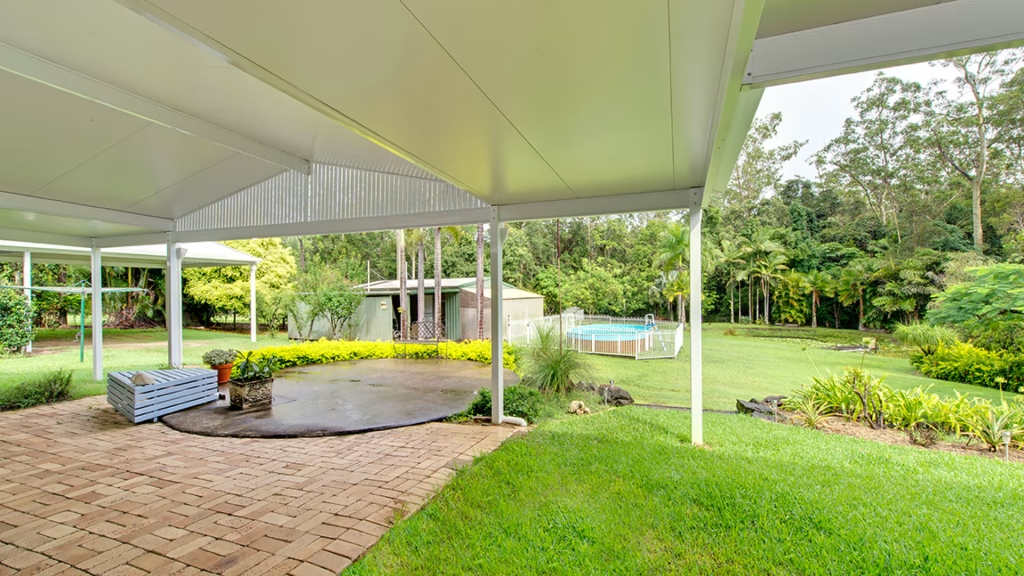
The roof often shapes how a patio feels long before anyone notices its colour or finish. It influences how much shade the area provides, how comfortable it is on warmer days and how naturally the new structure fits alongside the existing home. Looking at these everyday factors first usually leads to a better choice than selecting a roof style based on appearance alone.
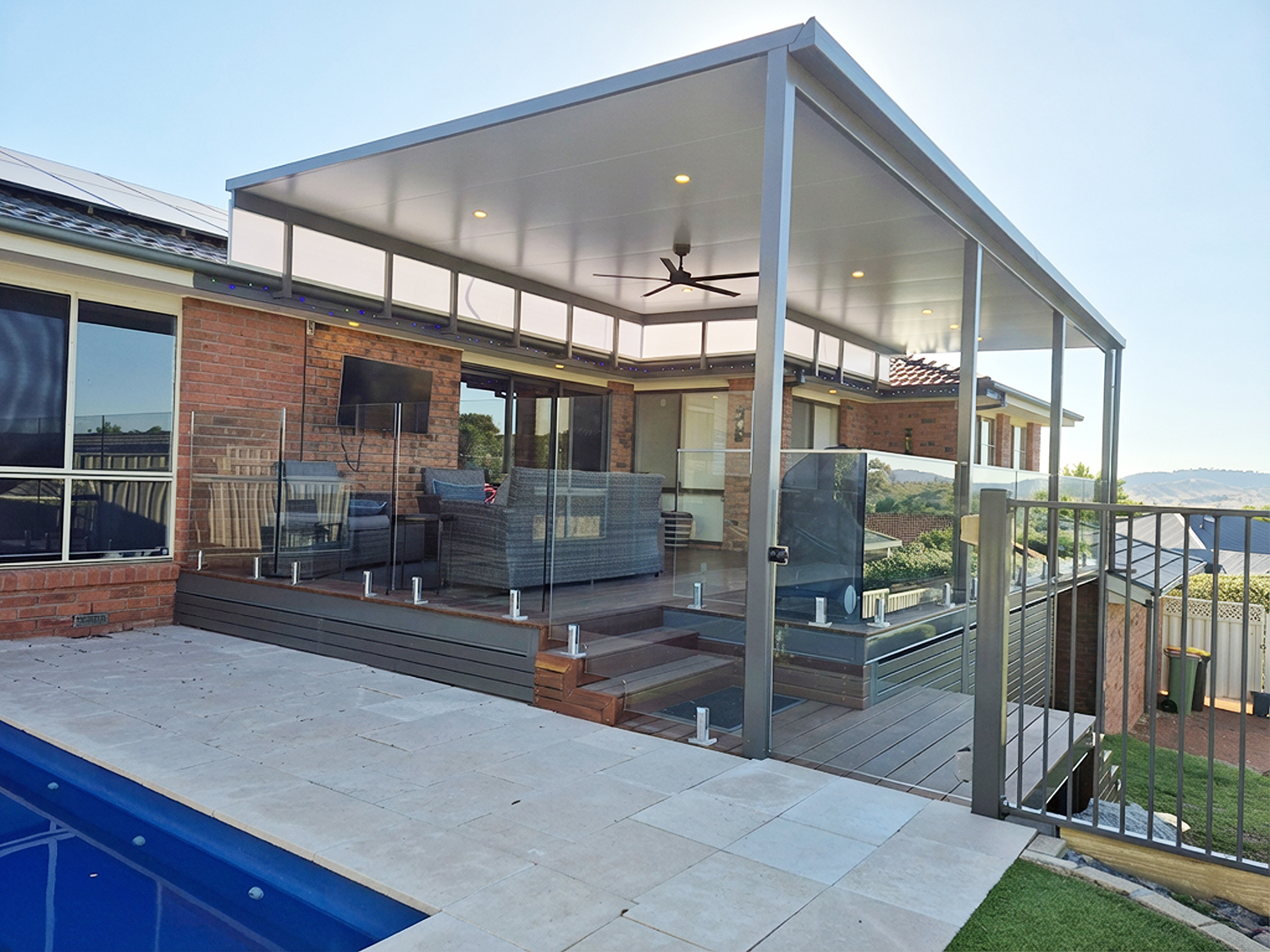
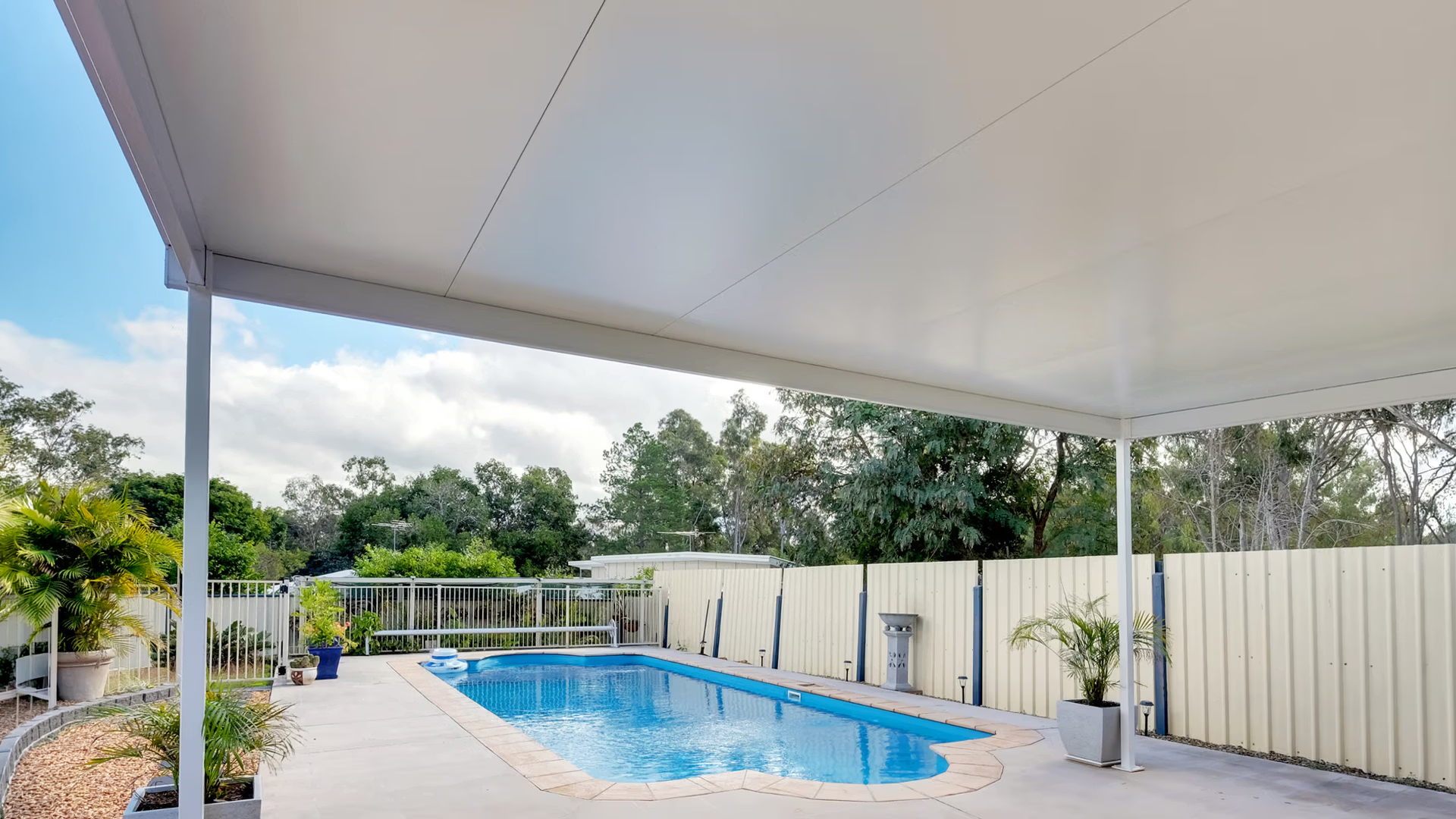
A skillion patio design is often chosen for homes with a modern architectural style because its single-sloping roof creates clean, simple lines. It also works well on many Brisbane properties where effective rainwater runoff is important. Depending on the position of the home, this style can provide welcome shade during the hotter parts of the day while creating a seamless connection between indoor and outdoor spaces.
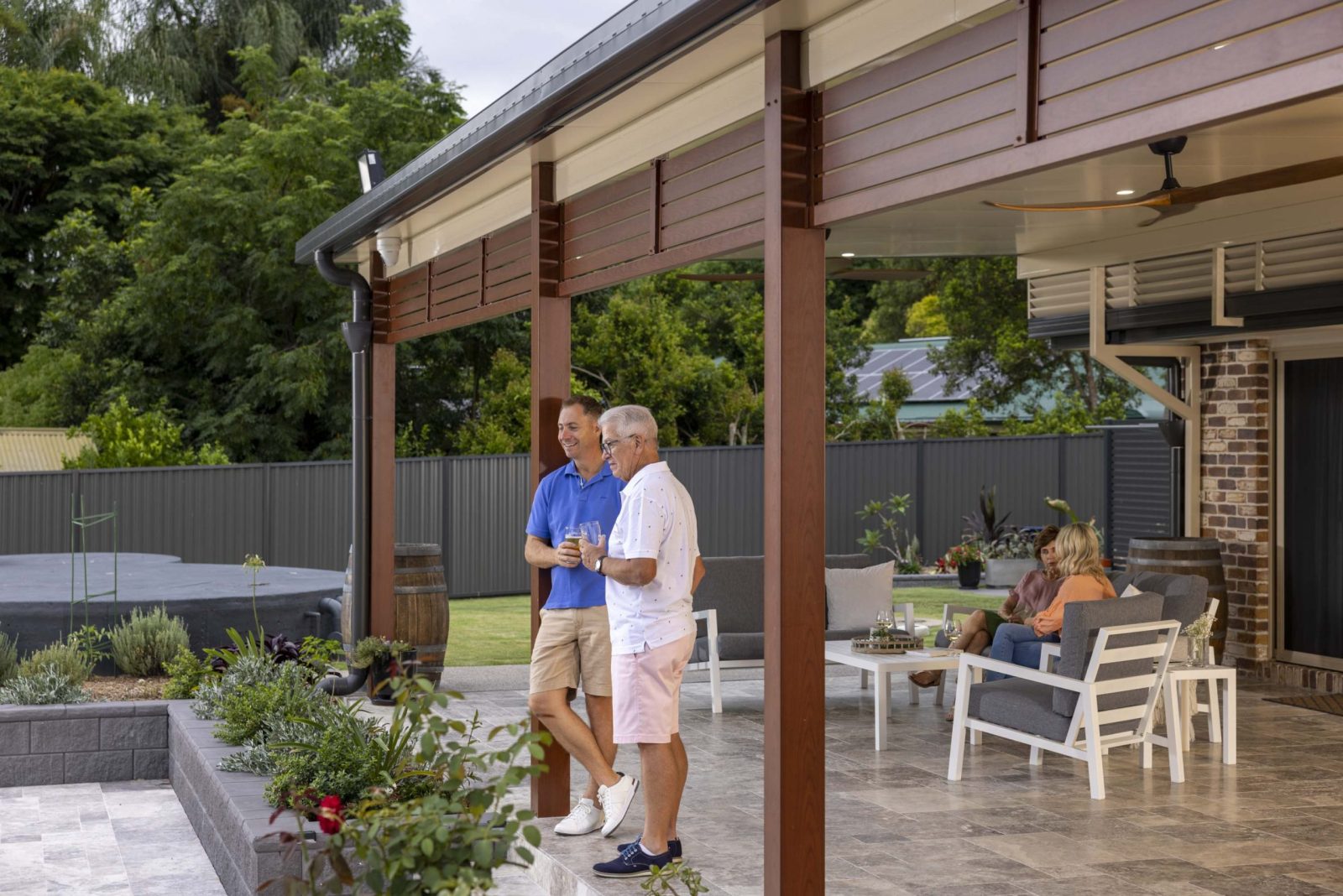
A gable patio design creates a different feel. The higher ceiling opens up the space, making it particularly appealing for larger family gatherings or outdoor entertaining. More headroom and improved airflow can also make the patio feel cooler during Brisbane’s warmer months, which is one reason many homeowners are drawn to this style.
Rather than asking which roof design looks better, it is often more useful to ask which one suits the way the patio will be used. A roof that works with the home’s layout, provides the right balance of shade and light, and responds well to the site’s conditions is far more likely to remain enjoyable over the years than one chosen for appearance alone.
Site Conditions That Influence Patio Design
Two homes on the same street can need completely different patio designs. Before settling on a roof style or layout, it pays to understand what the site is already telling you. The direction the home faces, the shape of the backyard and the surrounding environment all influence how comfortable the finished patio will feel throughout the year.
One of the first things experienced patio designers look at is sunlight. A patio that receives strong western sun in the afternoon will perform very differently from one that stays shaded for much of the day. Brisbane’s climate makes this especially important because the amount of sun and natural airflow can change how enjoyable the space feels during the warmer months.
The position of the home also shapes the final design in ways that are easy to overlook. Existing rooflines, windows, doorways and established gardens can all influence where a patio fits most naturally. When these features are considered from the beginning, the finished structure feels like it belongs with the home instead of looking like it was added later.
Not every backyard is perfectly level, and that’s rarely a problem if it’s recognised early. Sloping ground, drainage paths and the way water moves across the site after heavy rain can all affect the design. Allowing for these conditions before construction begins usually avoids unnecessary adjustments later and gives the patio a stronger foundation.
The most successful patios respond to the property rather than asking the property to fit the design. Homeowners exploring patio solutions across Brisbane often discover that small changes based on the site’s characteristics can make a noticeable difference to comfort, appearance and the way the space is used every day.
Materials and Design Features That Influence Long-Term Performance

The materials used in a patio can make just as much difference as the design itself. A patio that looks impressive on the day it is built should also remain comfortable and easy to look after through Brisbane’s changing weather. Choosing materials with everyday use in mind often pays off long after construction is finished.
Roofing materials are one of the most important considerations because they influence comfort, durability and how well a patio performs over time. A material that performs well in one location may not be the best fit for another if the patio receives strong afternoon sun, regular exposure to heavy rain or limited natural shade. Looking beyond appearance and thinking about how the space will be used throughout the year usually leads to a better long-term result.
The same thinking applies to the rest of the structure. Posts, beams and finishing materials all play a part in how the patio ages over time. Selecting products suited to local conditions from the beginning often means less maintenance later and a finished space that continues to look good after years of regular use.
Placement of lighting and ceiling fans is important to consider during the design process as cables are placed during the installation process. Each insulated panel has integrated channels along the edges where cable sits hidden between the joins. Fan brackets should be professionally installed in the roofing to ensure they are safety secured and ready for the electrician connect. Homeowners often appreciate these details most once they start using the space, especially during warm evenings or wet weather.
A patio is something people use every day, not just something they look at. When materials and design features are chosen with that in mind, the outdoor area is far more likely to remain comfortable, practical and enjoyable for years to come.
Why Professional Patio Design Advice Matters
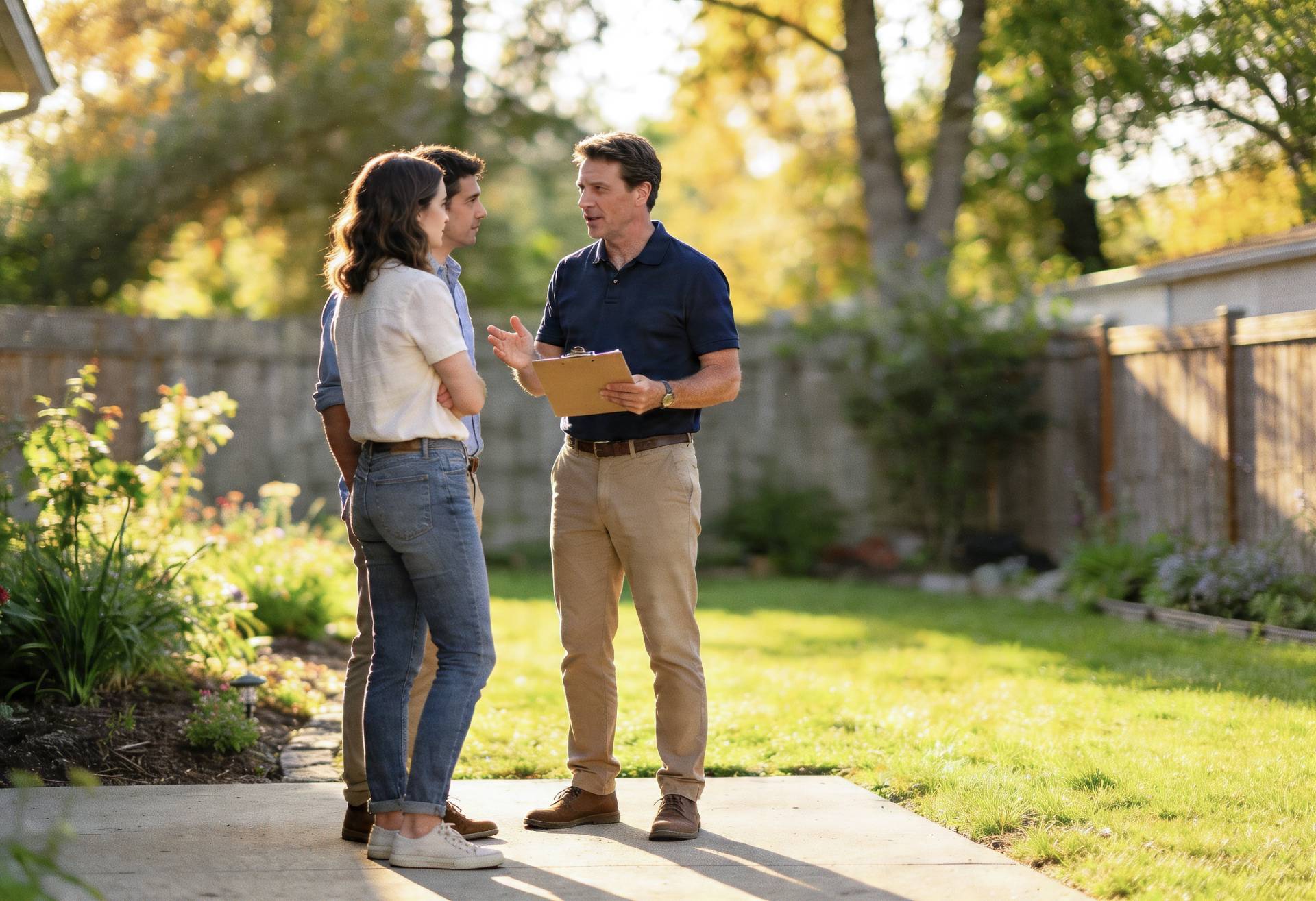
A good patio design starts with understanding the home, not choosing a roof style. What suits one property may not work as well for another, even if the homes look similar from the street. Professional design advice helps bring together the layout of the property, the way the space will be used and the practical details that shape the final result before construction begins.
One of the first things an experienced patio designer looks at is how the home already works. The available space, the position of the house, existing rooflines and the surrounding yard all influence what will feel balanced and practical. Small details that are easy to overlook at the beginning often have a noticeable impact on the finished patio.
The conversation also extends beyond measurements and layouts. Some families want a comfortable place to enjoy breakfast outdoors, while others are looking for a shaded area where they can relax after work or spend time together on weekends. Talking about how the space will be used often leads to better design decisions than focusing on appearance alone.
There is also planning that takes place before construction begins. Depending on the project, engineering documentation, council approvals and other project requirements may need to be organised first. Where council approval is required, Apollo Patios manages the process on behalf of homeowners, helping simplify the journey from design through to construction. Addressing these steps early usually keeps the project moving smoothly and reduces the chance of unexpected delays once construction is underway.
Every homeowner has different priorities, which is why a thoughtful design process begins with understanding both the property and the people who will use the space. Taking the time to consider these details from the beginning helps create a patio that feels like a natural part of the home and continues to suit everyday life for years to come.
Common Mistakes to Avoid When Choosing a Patio Design
It’s easy to find a patio design that looks impressive online, but photos rarely show whether that design suits another home. A patio that works well on one Brisbane property may feel out of place on another because the block, the house and the way the space will be used are all different. Looking beyond appearance usually leads to a result that feels more comfortable and more practical over time.
One mistake many homeowners make is choosing a style before thinking about how they’ll use the space. A patio should certainly complement the home, but it also needs to suit everyday life. Some people picture a quiet place to read on a Sunday morning, while others want somewhere the family naturally drifts to after dinner or a shaded spot to escape the afternoon heat. Those everyday moments are usually a better guide than choosing a design because it looks impressive.
Another mistake is overlooking the site itself. The direction of the sun, prevailing breezes, drainage and the shape of the block all affect how the space feels once the patio is built. Spending a little more time understanding these conditions at the beginning often makes a noticeable difference to comfort throughout the year.
Roof design deserves the same practical approach. Rather than choosing a profile because it looks appealing, it helps to consider how it fits with the existing home and how it will perform once the patio is in daily use. A roof that feels like part of the original house usually creates a more balanced result than one that simply stands out.
Timing is another detail that’s easy to underestimate. Features like lighting and ceiling fans are much easier to include while the patio is being designed than after construction has started. Making those decisions before work begins means everything is already in place when the patio is finished.
Most patio design mistakes don’t happen because of poor choices. They happen because important decisions are made without looking at the bigger picture first. Taking the time to consider how the home, the site and everyday use all fit together usually leads to an outdoor space that feels right from the day it’s finished.
Planning the Right Patio Design for Your Brisbane Home
The best patio designs do more than look good once they’re finished. They should feel comfortable to use through Brisbane’s changing seasons, fit naturally with the home and suit the way the outdoor space will be enjoyed every day. Bringing those ideas together from the beginning often leads to a result that continues to work well for years.
A little extra thought before construction starts can make later decisions much easier. Looking closely at the site, comparing roof designs that suit the home and deciding which practical features are worth including early often saves time as the project moves forward. It also gives homeowners greater confidence that the finished patio will suit both the property and the way they plan to use it.
Whether the goal is to create a new entertaining area or refresh an existing outdoor space, every home benefits from a design that reflects its unique characteristics. Homeowners who would like to discuss their site requirements and patio design options can speak with the team at Apollo Patios for practical advice tailored to their property, helping them choose a patio design that suits both their home and the way they plan to enjoy the space.
Frequently Asked Questions
How do I know whether my existing home is suitable for a patio?
Most homes can accommodate a patio, but the most suitable design depends on factors such as the available outdoor space, the existing roofline, site orientation and local council requirements. A site assessment helps determine which patio design will work best with the property’s layout while achieving the intended use for the space.
Should I choose the patio roof style before deciding on the layout?
It is generally better to establish how the patio will be used before selecting a roof style. Once the size, layout and connection to the home are clear, it becomes easier to choose a roof design that provides the right balance of shade, natural light and visual appeal.
Can a patio be designed to match an older Brisbane home?
Yes. Patio designs can be adapted to suit both modern and established homes. Selecting an appropriate roof profile, materials and finishes helps the new structure blend naturally with the home’s existing architectural style while maintaining a cohesive appearance.
What should I prepare before meeting with a patio designer?
It can be helpful to think about how you plan to use the space, any features you would like to include and any challenges you have noticed in your backyard, such as afternoon sun, drainage or limited space. Photos, basic measurements and ideas you have collected can also help guide the initial discussion with a patio designer.
Why is professional patio design advice worthwhile before construction begins?
Professional advice helps identify practical considerations before work starts, including site conditions, suitable design options and planning requirements. Addressing these factors early can make the design process more straightforward and help ensure the finished patio suits both the property and the way it will be used.
Does a custom patio add value to a Brisbane home?
A well-designed patio can improve the way outdoor space is used while enhancing the overall appeal of a home. Although the impact on property value varies depending on factors such as location, design quality and the condition of the home, a patio that complements the property and supports everyday living is often viewed as a valuable addition by prospective buyers.