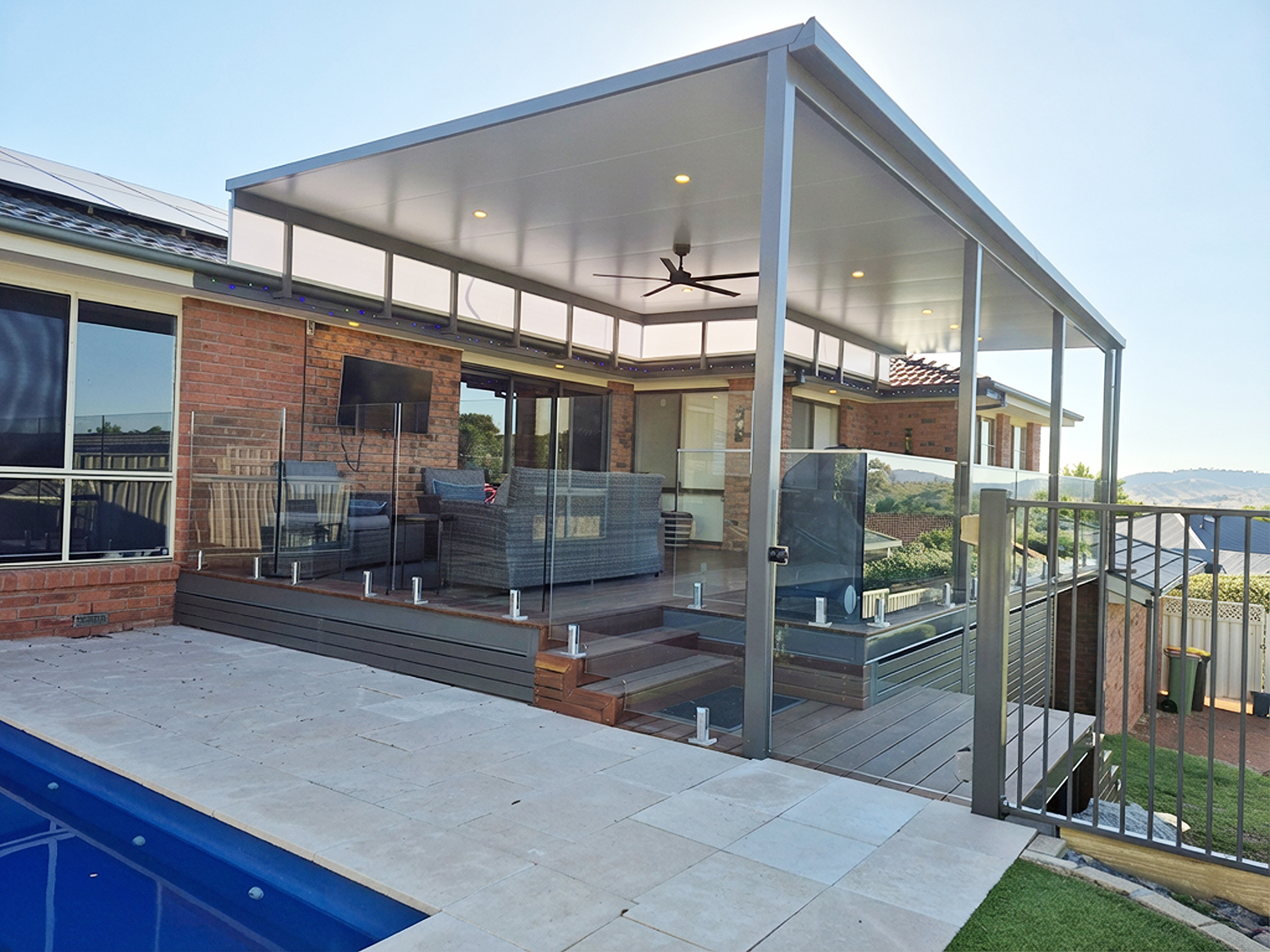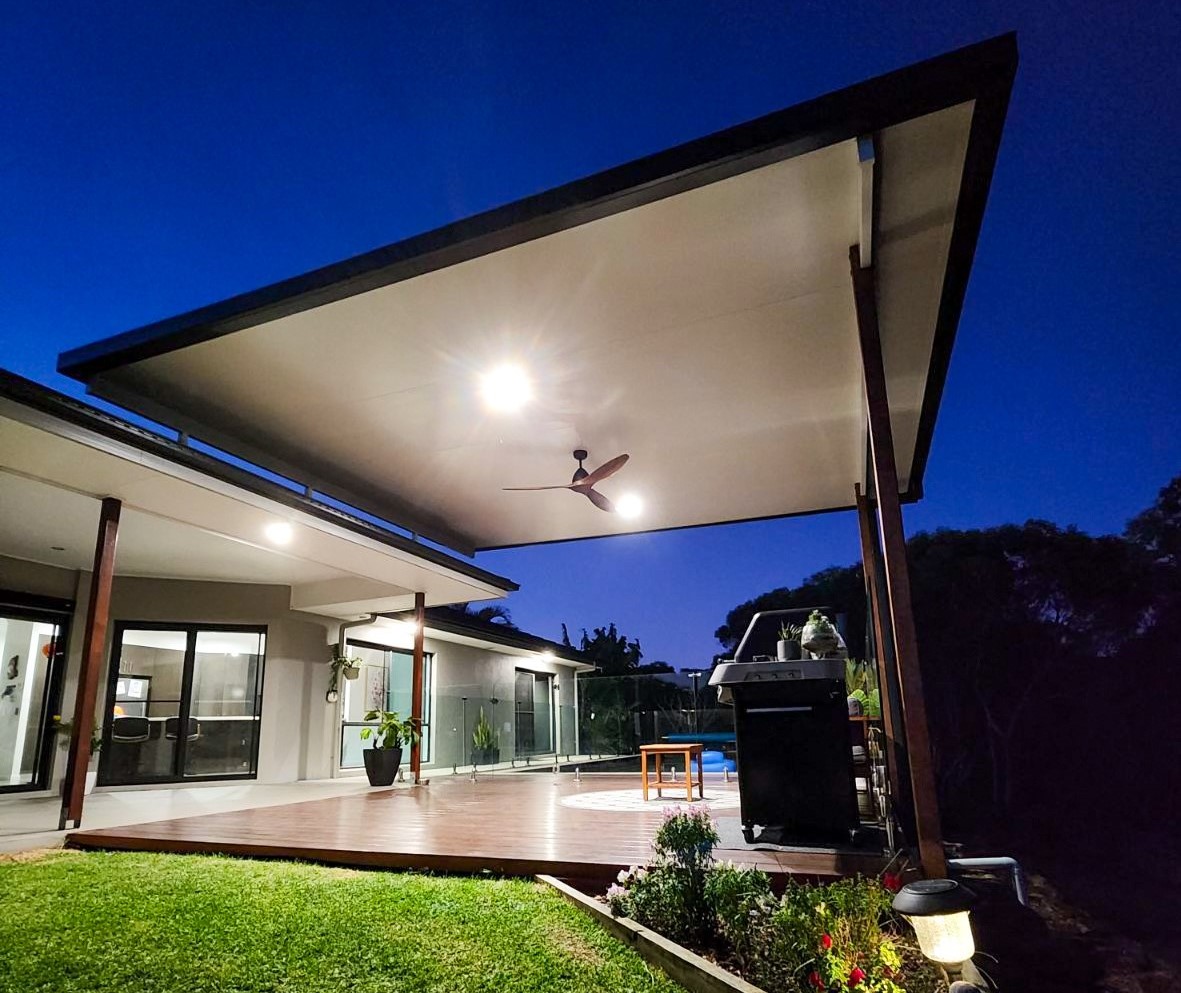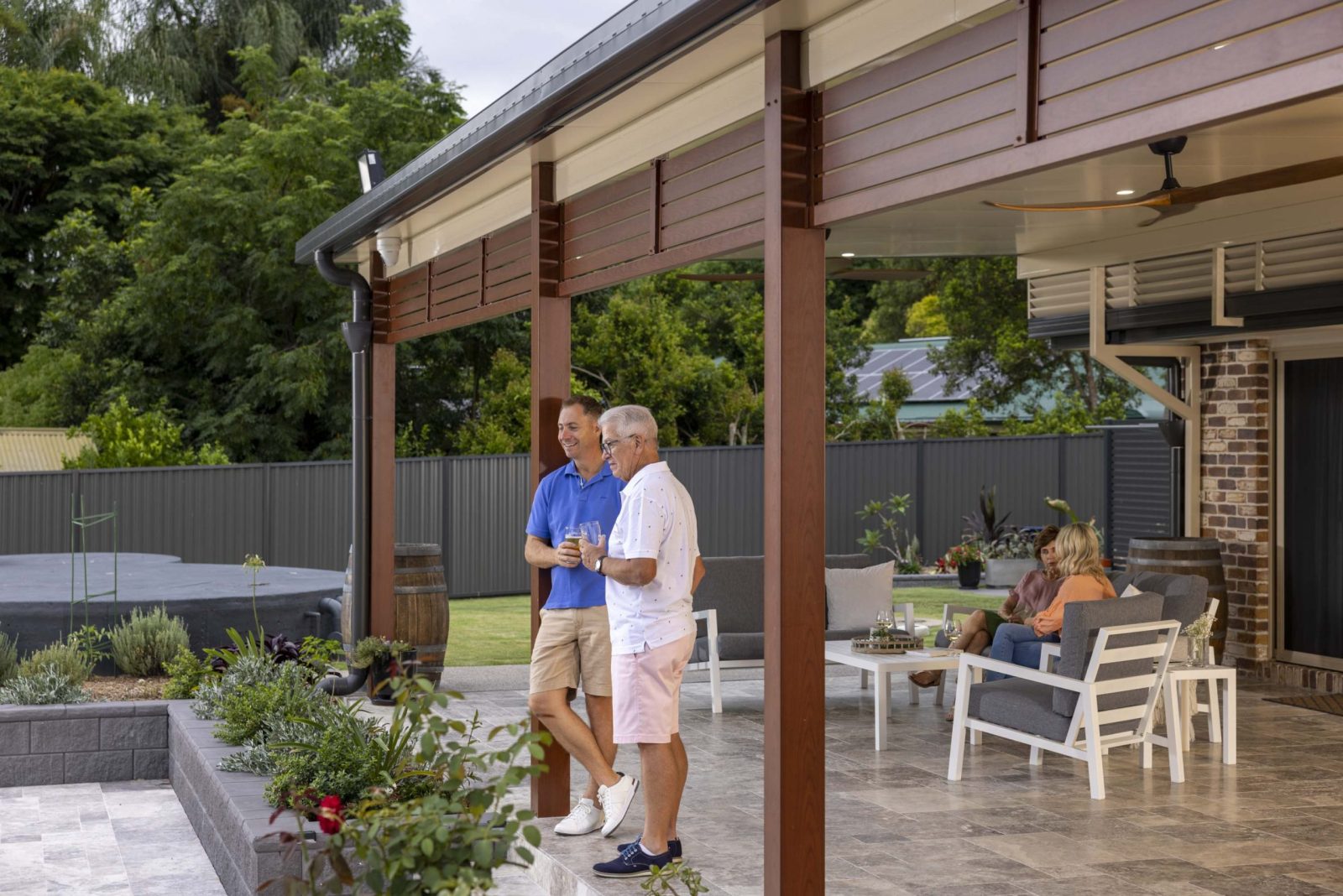
Obtaining a quote from patio builders in Brisbane is a key step in planning a new outdoor structure, whether for entertaining, vehicle protection, or extending usable living space.
Each property presents different conditions, including site access, existing structures, and ground levels. As a result, accurate pricing requires more than a general estimate and must be based on site-specific details and design requirements.
Working with experienced patio builders in Brisbane allows homeowners to receive a detailed and realistic quote that reflects both the scope of work and the materials required. Understanding how the quoting process works helps ensure that pricing is transparent and aligned with the intended design and long-term performance of the structure.
Start With Your Own Vision
Before requesting a quote from patio builders in Brisbane, it is important to have a clear understanding of the intended layout and use of the space.
Consider the position of the structure in relation to sunlight, prevailing weather conditions, and how the area will be used throughout the day. These factors influence the design, orientation, and roofing selection required to achieve a comfortable and functional outdoor area.
The size and layout of the patio should also account for furniture placement, movement through the space, and any specific requirements such as dining areas or vehicle clearance. Establishing these details early allows builders to provide more accurate recommendations and pricing.
While formal architectural drawings are not required at the initial stage, a basic sketch or outline of the proposed structure can assist in communicating requirements. Existing elements such as fascia, gutters, and structural connection points should also be considered, as these may influence design and installation requirements.
Providing clear information during the quoting stage helps ensure that the proposed design is practical, structurally suitable, and aligned with the intended use of the space.

Understanding the Different Structures
Patio designs can vary depending on how the structure is intended to be used, with common options including attached patios and freestanding structures.
An attached patio extends directly from the existing house, creating a seamless transition between indoor and outdoor living areas. This type of structure is often used to expand entertainment spaces or provide covered outdoor seating.
Freestanding structures, such as carports or standalone covered areas, are designed independently of the main building. These are commonly used for vehicle protection or where the existing house structure does not support an attached design.
Although patios and carports may use similar materials, they are subject to different design considerations, including structural requirements, height clearances, and council regulations. Clearly defining the intended use of the structure allows patio builders in Brisbane to recommend an appropriate design and provide a more accurate quote.
Material selection also influences both performance and cost. Options such as insulated roofing panels can improve thermal comfort and reduce noise, while single-skin roofing may be suitable for more basic applications.
Providing clear information about how the structure will be used ensures that the recommended design aligns with both functional requirements and budget expectations.
The Technical Details That Change the Price
Patio construction involves a range of structural and material considerations that can influence the final quoted price.
Structural requirements are determined by factors such as site conditions, wind classification, and the size and configuration of the proposed structure. These requirements affect the selection of materials, including the type and strength of supporting posts, beams, and roofing components.
Material specifications also play a role in overall cost. Higher-grade materials and protective finishes can improve durability and performance, particularly in environments exposed to high levels of sun, moisture, or coastal conditions.
In addition to the structure itself, foundation requirements must be considered. Concrete footings and slab thickness may vary depending on the size of the patio and the loads applied to the structure.
Understanding these technical factors helps explain variations between quotes and ensures that the proposed design is suitable for both the site conditions and long-term performance requirements.

The Importance of a Site Visit
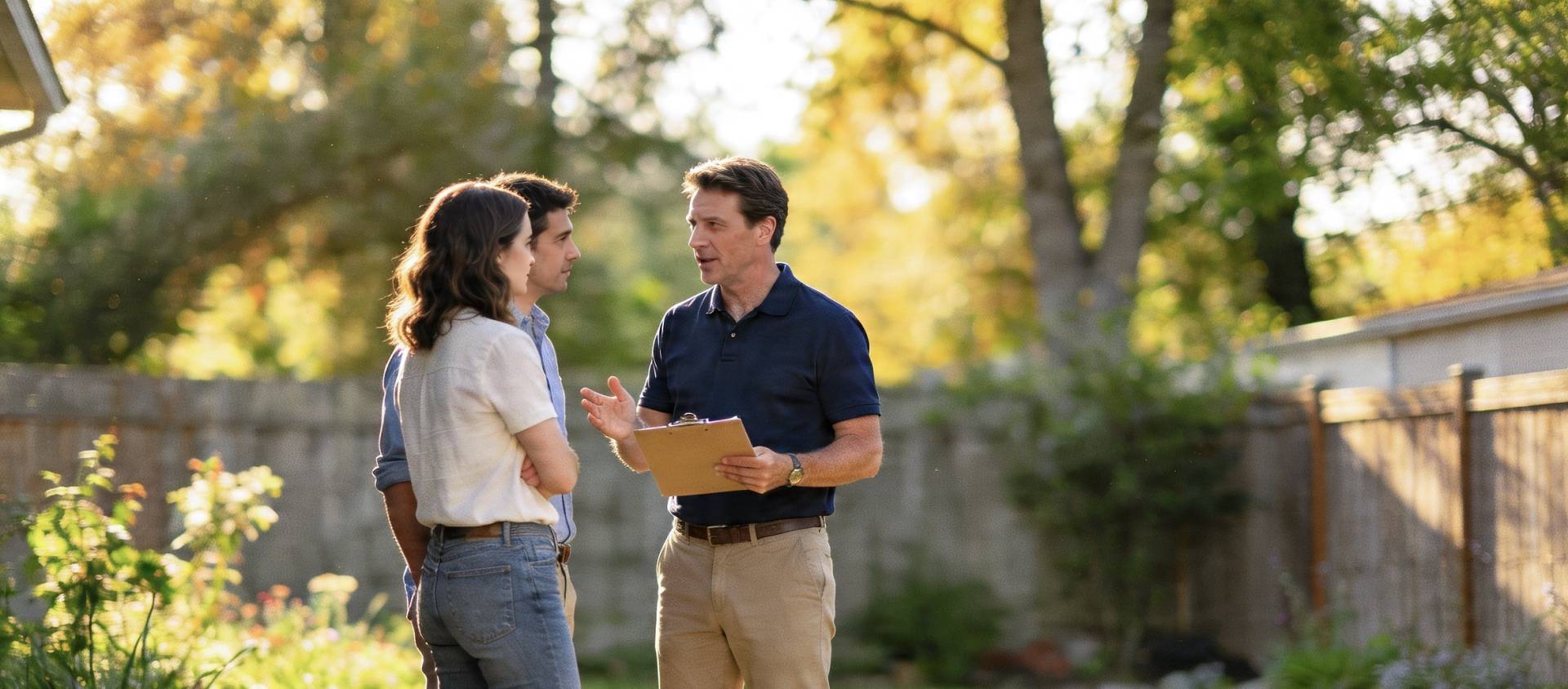
While an initial estimate can be provided based on general information, a site inspection is required to produce an accurate and final quote.
A site visit allows the builder to assess key factors such as measurements, ground conditions, drainage, and access. These elements can significantly influence the design and structural requirements of the patio.
Drainage is an important consideration, particularly in areas subject to heavy rainfall. Proper assessment ensures that water is directed away from the structure and surrounding areas to avoid potential issues over time.
During the inspection, the builder can also identify requirements for services such as electrical connections for lighting or fans, as well as any structural considerations related to existing buildings.
A check measure ensures that all components, including roof sheets, posts, and beams, are manufactured to the correct dimensions prior to installation. This reduces the likelihood of delays or adjustments during construction.
Conducting a site visit as part of the quoting process provides a more accurate and reliable cost estimate, aligned with the specific conditions of the property.
Dealing with Council and Approvals
Council regulations and approval requirements are an important part of the patio construction process in Brisbane.
Depending on the size, location, and proximity to property boundaries, a patio may require building approval or certification to ensure compliance with local planning and construction standards.
Engaging patio builders in Brisbane who are familiar with these requirements can assist in managing the approval process, including working with certifiers and preparing the necessary documentation.
Site-specific factors, such as boundary clearances and zoning conditions, can influence the design and positioning of the structure. In some cases, additional considerations may apply, including requirements related to bushfire-prone areas and the selection of appropriate construction materials.
Addressing approval requirements during the quoting and design stage helps ensure that the project proceeds in accordance with regulations and reduces the likelihood of delays during construction.
Material Choice and Climate Resilience
Material selection plays an important role in the performance and longevity of patio structures in Brisbane’s climate.
Roofing systems are exposed to high levels of sun, humidity, and periods of heavy rainfall, all of which can impact thermal comfort and durability over time. Insulated roofing panels can assist in reducing heat transfer and improving comfort in covered outdoor areas, while single-skin roofing may be suitable for more basic applications.
Drainage design is also a key consideration. Additional roof area increases water runoff, which must be managed through appropriate guttering and downpipe capacity. Proper design ensures that water is directed away from the structure and surrounding areas.
Roof colour can influence thermal performance, with lighter colours reflecting more solar radiation and darker colours absorbing heat. Material coatings and finishes also affect long-term durability, particularly in environments exposed to UV and moisture.
Considering these factors during the quoting stage helps ensure that the selected materials are suited to both the intended use of the space and local environmental conditions.
Comparing More Than Just the Bottom Line
When comparing quotes from patio builders in Brisbane, it is important to assess the scope of work and material specifications rather than focusing solely on the total price.
Quotes may vary depending on what is included, such as site preparation, removal of waste materials, and council approval requirements. Clarifying these details helps ensure that all costs are accounted for from the outset.
Material quality is another key factor. Differences in structural components, coatings, and finishes can affect durability and long-term performance, particularly in environments exposed to sun, moisture, or coastal conditions.
Warranty terms can also provide an indication of product and workmanship standards. Reviewing these alongside material specifications helps ensure that the proposed structure meets expected performance requirements.
Verifying that the builder is appropriately licensed and compliant with relevant regulations is an important step in the selection process. This provides assurance that the work will be carried out to the required standards.
A comprehensive comparison of inclusions, materials, and compliance factors allows for a more informed decision when selecting a contractor.
The Human Element of the Quote
Clear communication during the quoting process is an important factor in achieving a successful outcome for patio construction projects.
A detailed consultation allows the builder to understand the intended use of the space and identify any specific design requirements. This supports the development of a proposal that aligns with both functional needs and site conditions.
Professional patio builders in Brisbane provide clear explanations of available design options, material choices, and potential limitations. This ensures that expectations are aligned before construction begins.
Allowing time to review the proposed design and compare options can assist in making an informed decision. Reputable builders provide sufficient information for evaluation without applying pressure during the quoting stage.
Reviewing previous projects and client feedback can also provide insight into the builder’s experience and consistency of work.
A structured and transparent quoting process contributes to better planning and reduces the likelihood of changes or misunderstandings during construction.
Finalising the Details and Avoiding Pitfalls
Before proceeding with construction, it is important to ensure that all project details are clearly documented and agreed upon.
The final quote should outline the scope of work, materials, project timeline, and payment structure. Staged payment schedules are commonly used to align payments with progress throughout the build.
Any variations to the agreed design or inclusions should be confirmed in writing to ensure clarity and avoid misunderstandings during construction.
Responsibility for any works outside the patio installation scope should be clearly defined within the agreement. This may include items that are either included in the project or required to be arranged separately, depending on the design and site requirements.
Builders should hold appropriate insurance, including public liability and workers’ compensation, and be able to provide documentation upon request. This ensures that the project is carried out in accordance with industry and regulatory requirements.
Project timelines and lead times should be confirmed prior to commencement, providing a clear understanding of scheduling and expected completion.
Ensuring that all details are finalised before construction begins supports a smoother building process and reduces the likelihood of delays or disputes.
Why Choosing a Specialist is the Best Move
Selecting a specialist patio builder is an important factor in achieving a well-designed and durable outdoor structure.
Experienced patio builders in Brisbane understand local site conditions, regulatory requirements, and construction methods suited to residential applications. This supports accurate quoting, efficient installation, and long-term performance.
Apollo Patios provides patio design and construction services tailored to Brisbane properties, supported by established processes for planning, approvals, and installation.
For homeowners seeking a detailed and accurate quote, contact us to assess your project requirements based on site conditions, design preferences, and intended use of the space.